Kari Lilja, TkT, Erikoistutkija; Sirpa Sandelin, TkT, Yliopettaja
English version: Click the link
Vuosi 2026 – kauankohan vielä kirjoitamme vaistomaisesti viime vuoden erilaisiin päiväyksiin – on alkanut. Ja valitettavasti se alkoi varsin väkivaltaisen uutisten kera. Ukrainan sota, Iranin levottomuudet, Venezuelan presidentin ja hänen puolisonsa kaappaus, Afrikan, Lähi-Idän ja Indokiinan levottomuudet… Ja lisää uhkaa tuo Grönlannin tilanne.
Ja joku vielä havittelee Nobelin rauhanpalkintoa!

Monet uskovat alkaneen vuoden olevan tekoälysovellusten yleistymisen kannalta ratkaiseva. Tekoäly on nyt terminä jokaisen huulilla – ja valitettavasti sovelluksena myös jokaisen ulottuvilla. Siihen uskotaan, sitä pelätään, sen nimiin vannotaan. Hypetys on melkoista.
Vaikka on kyse vain muutamasta algoritmista.
Mieleen muistuu montakin vertauskohtaa menneiltä vuosilta. Tietokoneiden tulo pienimpiinkin yrityksiin, sitten henkilökohtaiset tietokoneet, ensimmäiset langattomat puhelimet ja kännykät – nuo tiiliskiven kokoiset Citymanit. Nykyään se kohkotus, jota niiden ympärillä käytiin, tuntuu käsittämättömältä ja koomiselta. Eihän niillä tekisi nykyaikana mitään… Ehkä suorimmin nykyiseen tekoälybuumiin verrattavissa oleva hypetys oli kuitenkin ensimmäisten mobiilien asiakasrajapintojen ilmestyminen. SMS-pohjaiset viestit ja wap-puhelimet, jotka keskustelivat kauppojen ja pankkien suurtietokoneiden kanssa antaen mahdollisuuden varata aikoja, tehdä tilauksia, jne. Ja laite, joka siihen kykeni, mahtui taskuun. Nykynuoret, jotka mobiileillaan ovat tottuneet tekemään jo lähes kaiken, ja jotka pitävät mobiilia laitetta jo jopa omana elimellisenä jatkeenaan, eivät ehkä näe, kuinka loogisen kehityksen tulos se oli – ainakin jälkeenpäin katsottuna. Eivätkä sitä näe vanhemmatkaan. Varoituksen ääniä pidettiin aikanaan, kuten pidetään nytkin, naurettavina jarrumiehinä ja pelkureina. Siitäkin huolimatta, että moni nykyään myöntää mobiilien laitteiden olevan peijakkaan hyviä renkejä, mutta helkutin huonoja isäntiä.
Tekoäly on nyt samoissa lähtökuopissa kuin mobiili teknologia 1990-luvulla. Yksinkertaisista tehtävistä se selviää, mutta ei sillä mitään järkeä ole. Ihmismielen ja sivistyksen olennaisimmat piirteet, kuten kyky kontekstin ja tilanteen havaitsemiseen ja ymmärtämiseen, kyky eettiseen ajatteluun, arvovalintoihin ja vastuulliseen päätöksentekoon ja vastuun kantamiseen, puuttuvat tekoälyltä vielä kokonaan. Esimerkkejä tekoälysovellusten vaillinaisuudesta on julkisuudessa ollut paljon. Tällä hetkellä varsin tuore esimerkki on Googlen käyttämän tekoälyn yhteenvetotoiminnon antamissa ravitsemussuosituksissa havaitut puutteet ja jopa vaaralliset tiedot (Lähde: The Guardian). Tekoäly on toki hyvä apulainen, kun sitä osaa käyttää, ja omaa aiheesta riittävän hyvät tiedot kyetäkseen itse arvioimaan, milloin tuo pikku apuri on hakoteillä – tai jopa aivan metsässä. Tarvitaan vielä paljon kehitystyötä, ennen kuin siitä tulee kaikille soveltuva työkalu. Aika näyttää, tuleeko se koskaan jokapäiväistymään mobiililaitteiden ja monien muiden aikaisempien innovaatioiden tavoin.
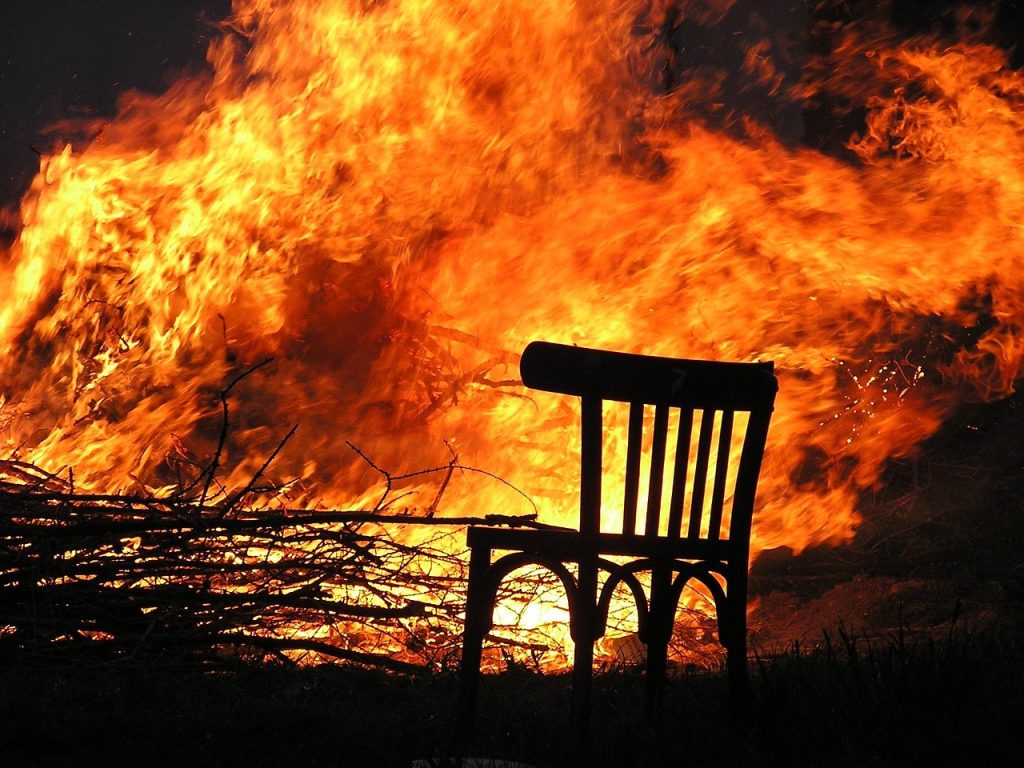
Kuten tuli ja mobiililaitteet, myös tekoäly on hyvä renki, mutta räävitön, surkea ja jopa hengenvaarallinen isäntä.
Kasvihuoneilmiö, ilmaston lämpeneminen, tarve pysäyttää tai ainakin jarruttaa ilmastonmuutosta, ja tarve vähentää kasvihuonekaasujen päästöjä ovat viime vuosien aikana ohittaneet muut kestävään kehitykseen ja ympäristönsuojeluun liittyvät kysymykset julkisessa keskustelussa. On mielenkiintoista nähdä, mihin suuntaan keskustelu lähitulevaisuudessa kääntyy, kun nämä kysymykset yhdessä DEI-kysymysten kanssa ovat läntisen suurvallan nykyhallinnon silmissä väkivaltaa ja pornoa pahempia keskustelunaiheita maahan pyrkivien sosiaalisen median sivustoilla. Kiellettyjä aiheita seulotaan erilaisilla tekoälysovelluksilla, mikä vielä lisää ilmaston tuskaa melkoisesti. Jokainen yksittäinen tekoälysovelluksella tehty kysely kun erään analyysin mukaan kuluttaa noin kymmenkertaisesti enemmän energiaa perinteiseen Google-hakuun verrattuna. Syynä tähän on se valtava rinnakkaisprosessoinnin määrä, joka tarvitaan muuntamaan kysely yksittäisiksi hakulauseiksi, kokoamaan tulokset eri lähteistä ja muuntamaan ne selväkielisiksi vastauksiksi. Siitä huolimatta julkisuuteen tulee yhä enemmän ilmastonmuutosta, hiilineutraalisuutta, kestävää kehitystä ja vastuullisuutta käsitteleviä artikkeleita, kirjoituksia, ja muita julkaisuja, jotka on pääosin tuotettu tekoälyllä.
AI ja DT taitavatkin olla kestävän kehityksen ja ilmastonmuutoksen vastaisen työn vastustajien parhaat pikku apulaiset tällä hetkellä.
Siitä huolimatta: Hyvää ja menestyksekästä alkanutta vuotta 2026!
English version
In the beginning of the year…
The year 2026 – how long will we instinctively write the past year into various dates – has begun. And unfortunately, it began with quite violent news. The war in Ukraine, riots in Iran, the kidnapping of the Venezuelan president and his wife, turbulences in Africa, the Middle East and Indochina… And the situation in Greenland is an additional threat.
And someone is still aiming for the Nobel Peace Prize!
Many believe that the year that has begun will be decisive in terms of the spread of artificial intelligence applications. Artificial intelligence is now a term on everyone’s lips – and unfortunately, as an application, also within everyone’s reach. People believe in it, fear it, swear by it. The hype is quite high.
Even though it’s only a matter of a few algorithms.
Many comparisons from years past come to mind. The arrival of computers in even the smallest companies, after that the personal computers, the first wireless phones and mobile phones – those brick-sized “Citymans”. Today, the hype surrounding them seems incomprehensible and comical. You wouldn’t do anything with them in the present… The hype that could be most directly comparable to the current artificial intelligence boom was the appearance of the first mobile customer interfaces. SMS-based messages and WAP phones that communicated with the mainframe computers of shops and banks, allowing them to book appointments, make orders, etc. And a device that could do that fit in their pocket. Today’s young people, who are used to doing almost everything with their mobile phones, and who even consider their mobile devices to be an organic extension of themselves, may not see how logical a development it was – at least in retrospect. And neither do their parents. The voices of warning were considered, as they are still considered, to be ridiculous brakemen and cowards. Even though many people today admit that mobile devices are pretty good servants, but damned bad masters.
Artificial intelligence is now in the same starting point as mobile technology in the 1990s. It can handle simple tasks, but it makes no sense. The most essential features of the human mind and civilization, such as the ability to perceive and understand context and situation, the ability to think ethically, make value choices and make responsible decisions and bear the responsibility, are still completely lacking in artificial intelligence. There have been many examples of the shortcomings of artificial intelligence applications in the public domain. A recent example at the moment is the shortcomings and even dangerous information found in the nutritional recommendations provided by the artificial intelligence summary function used by Google (Source: The Guardian). Artificial intelligence is of course a good helper when you know how to use it, and you have enough knowledge of your own subject to be able to judge for yourself when that little helper is on the wrong path – or even completely out of the woods. A lot of development work is still needed before it becomes a tool suitable for everyone. Time will tell whether it will ever become commonplace like mobile devices and many other previous innovations.
Like fire and mobile devices, artificial intelligence is a good servant, but a ruthless, miserable, and even deadly master.
The greenhouse effect, global warming, the need to stop or at least slow down climate change, and the need to reduce greenhouse gas emissions have overtaken other issues related to sustainable development and environmental protection in public debate in recent years. It will be interesting to see which way the debate will turn in the near future, when these issues, together with DEI issues, are, in the eyes of the current administration of a Western superpower, worse topics of discussion than violence and porn on social media sites of those aiming to travel to the country. Forbidden topics are screened by various artificial intelligence applications, which further adds to the climate pain. According to one analysis, each individual query made with an artificial intelligence application consumes about ten times more energy than a traditional Google search. The reason for this is the enormous amount of parallel processing needed to convert the query into individual search phrases, compile the results from different sources, and convert them into plain-language answers. Nevertheless, more and more articles, writings, and other publications on climate change, carbon neutrality, sustainable development, and responsibility, mostly at least partially produced with artificial intelligence, are being published.
AI and DT seem to be the best little helpers for opponents of sustainable development and climate change work at the moment.
Despite all this: Have a happy and successful start to 2026!
Tämä blogikirjoitus on kirjoitettu Euroopan unionin osarahoittaman Easy Energy-hankkeen puitteissa. Näkemykset ja mielipiteet ovat kuitenkin ainoastaan kirjoittajan/kirjoittajien omia eivätkä välttämättä vastaa Euroopan unionin tai Euroopan koulutuksen ja kulttuurin toimeenpanoviraston (EACEA) näkemyksiä. Euroopan unionia tai EACEA:ta ei voida pitää niistä vastuussa.
This blog text has been written within the framework of project Easy Energy, co-funded by the European Union. Views and opinions expressed are however those of the author(s) only and do not necessarily reflect those of the European Union or the European Education and Culture Executive Agency (EACEA). Neither the European Union nor EACEA can be held responsible for them.
