
Kari Lilja, TkT, Erikoistutkija; Sirpa Sandelin, TkT, Yliopettaja
English version: Click the link.
Umraziert und fern der Heimat… Ruokkoamattomana ja kaukana kotimaasta. Saksalainen juomalaulu, jossa alun perin on ollut 5 sanaa, kaksi säettä ja kaksi säkeistöä (myöhemmin, kun laulu tuli sotilaskäyttöön, siihen lisättiin säkeistöjä keittiöstä, aikaisista nousuista jne.), kertoo kaikessa yksinkertaisuudessaan sen, mitä on olla yksin, kaukana kotimaastaan, läheisistään ja sosiaalisista suhteistaan, kykenemättömänä hankkimaan muuta seuraa kuin tuopin – tämän laulun tapauksessa.
Sekoaahan siinä.
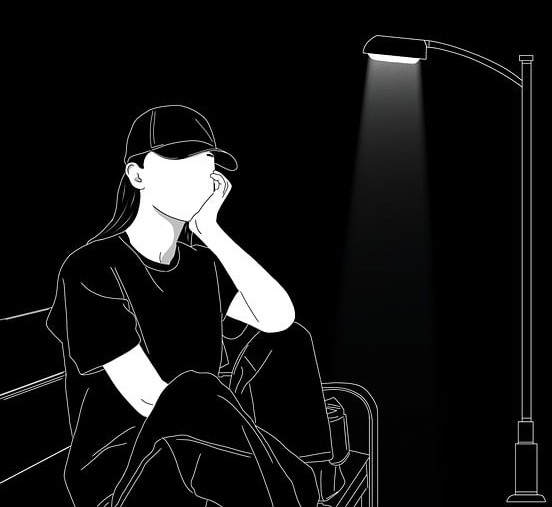
Olemme viimeisen vuoden aikana saaneet toistuvasti lukea, kuinka ulkomaalaisia opiskelijoita on houkuteltu Suomeen katteettomin lupauksin hyvästä sosiaaliturvasta, varmoista työpaikoista ja pelkällä huonolla englannilla pärjäämisestä. Kun lupaukset ovat osoittautuneet katteettomiksi, seurauksena ei ole ollut pelkästään pettymys vaan todellisia taloudellisia katastrofeja sekä täällä Suomessa että opiskelijan kotimaassa. Suomeen tullut opiskelija yrittää elää ja opiskella sillä, minkä saa haalittua kasaan. Tilannetta vaikeuttaa vielä se, että usein hänen mukanaan on tullut perhe tai osa siitä. Samaan aikaan saattaa opiskelijan kotimaahan jäänyt perhe, joka on ehkä luovuttanut kaikki säästönsä, ja kenties jopa ottanut velkaa, maksaakseen opiskelijan lukukausimaksut, Suomeen tulot ja pahimmillaan myös välittäjän palkkiot, taistella elantonsa hankkimiseksi korokiskurien painaessa päälle, kun tulovirta Suomesta ei toimikaan kuvitellulla tavalla. Köyhyyteen ja kurjuuteen syöksyy pahimmillaan puoli sukua. Ja aina se ei jää edes tähän.
Maksumoraalin ja kasvojensa säilyttämiseksi rahanlainaajien ja koronkiskureiden on käytettävä koviakin keinoja.
Mitä enemmän uuden kotimaan kulttuuri eroaa siitä, mihin on synnyinmaassaan tottunut, sitä vaikeampaa ihmisen sosiaalisena eläimenä on sopeutua uusiin olosuhteisiin ja luoda sosiaalisia suhteita, tutustua ja ystävystyä. Mitä yhteisöllisempi on lähtömaan kulttuuri, sitä suurempi on odotusten ja todellisuuden välinen kuilu esimerkiksi Suomeen tulevien kohdalla. Kielen vaikeus, se, ettei omalla kansallisella englannillaan pysty kunnolla hoitamaan asioitaan, se, että yhteyden saaminen naapureihin, opiskelijatovereihin, kanssaihmisiin on vaikeata eikä pysty astumaan sisään sen enempää opiskelijaelämään kuin jokapäiväiseen arkeenkaan, kaikki tuo ahdistaa. Ja kun siihen lisätään oleskelulupien tiukat säännöt, työnteon vaikeus tai jopa mahdottomuus ja suomalaisen järjestelmän olematon tuntemus, paineita alkaa kasaantua niskaan.
Etenkin jos takaraivossa kilkuttaa koko ajan huoli kotiin jääneiden turvallisuudesta ja selviytymisestä.

Useimmilla se huoli on todellinen. Mitä kauemmaksi EU:n ulkorajoilta mennään, sitä heikompi on se taloudellinen turvaverkko, jonka yhteiskunta – valtio – tarjoaa. Monissa maissa sitä ei ole ollenkaan. On vain oman yhteisön – perheen, suvun, kylän tai heimon tarjoama sosiaalinen turvaverkko. Jos kasvot menetetään, eli esimerkiksi laina jää yhteisön vastuulle, se turvaverkkokin katoaa saman tien. Läheiset saattavat joutua kaikkein julmimpien saalistajien, ihmiskauppiaiden, elinkauppiaiden ja väkivaltaviihteen tekijöiden armoille yrittäessään selviytyä.
Yksittäinen pieni ihminen saattaa seota täysin tällaiseen kurimukseen joutuessaan.
Olen viime aikojen tapahtumien jälkeen alkanut pohtia, minkälaiset valmiudet meillä on tunnistaa muista kulttuureista tulleiden mielenterveysongelmia riittävän ajoissa, ja miten pystyisimme estämään ongelmien kasaantumisen. Jo pelkkä yksinäisyys tai yksinäisyyden kokemuskin kun voi käydä vahvaan sosiaalisuuteen tottuneen mielenterveyden päälle, vaikka taloudellisia ongelmia ei olisikaan. Helppo tehtävä se ei ole, emmehän me aina tunnista edes omien läheistemme ongelmia ennen kuin on liian myöhäistä.

Jälkeenpäin on kyllä sitten helppo tunnistaa ennusmerkkejä ja kysyä, miksei kukaan puuttunut.
Voisiko ajatella, että ongelmista puhuttaisiin enemmän, avoimemmin, ja useammalla kielellä. Ja jo ennen kuin opiskelijat tai vaihto-opiskelijat saapuisivat maahan. Ehkä jo ennen kuin he tekevät päätöksen hakea. Kerrottaisiin, minkälainen maa Suomi todella on, minkälainen on vallitseva sosiaalinen kulttuuri, minkälaisia riskejä Suomeen tuloon liittyy. Kerrottaisiin, ettei yksin tarvitse olla, jos ongelmia tulee, annettaisiin tietoa siitä, mistä ja mitä apua löytyy ja korostettaisiin, ettei avun hakeminen ole merkki heikkoudesta ja kasvojen menetyksestä vaan vahvuudesta. Samalla täytyisi toki pitää huoli siitä, että luvattua apua on saatavilla.
Rankka avoimuus saattaisi toki karkottaa maksavia opiskelijoita, mutta karkottavat heitä negatiivinen julkisuus ja petetyiksi itsensä kokeneiden kokemuksetkin. Ongelmien torjuminen on paljon edullisempaa kuin niiden jälkihoito.
English version
Umraziert und fern der Heimat… Unfed and far from home. A German drinking song, which originally had 5 words, two verses and two stanzas (later, when the song came into military use, verses about the kitchen, early rising, etc. were added), tells in all its simplicity what it is like to be alone, far from one’s homeland, loved ones and social relationships, unable to find any company other than a pint – in the case of this song.
That could be confusing for everyone.
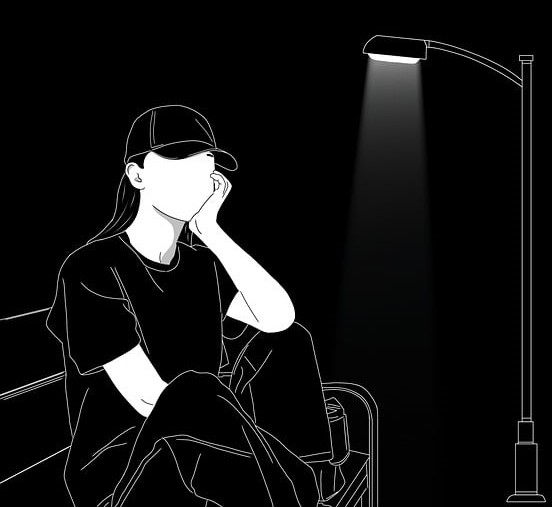
Over the past year, we have repeatedly read how foreign students have been lured to Finland with empty promises of good social security, secure jobs and the ability to get by with just poor English. When the promises have proven to be empty, the result has not only been disappointment but real economic disasters both here in Finland and in the student’s home country. A student who comes to Finland tries to live and study with what he can scrape together. The situation is further complicated by the fact that often the family or part of it has come with him. At the same time, the family left behind in the student’s home country, who may have given up all their savings, and perhaps even taken on debt, to pay the student’s tuition fees, travel to Finland and, in the worst case, also the broker’s fees, may struggle to make ends meet as loan sharks press on, when the income stream from Finland does not work as imagined. In the worst case, half of the family is plunged into poverty and misery. And it does not always stop there.
To maintain a willingness to pay, and to maintain their faces, moneylenders and loan sharks must resort to harsh methods.
The more the culture of the new home country and region differs from what one is used to in one’s country of birth, the more difficult it is for a person, as a social animal, to adapt to new circumstances and create social relationships, to get to know and make friends. The more communal the culture of the country of origin is, the greater is the gap between expectations and reality for those coming to Finland, for example. The difficulty of the language, the fact that one cannot properly manage one’s affairs in one’s own national English, the fact that it is difficult to get in touch with neighbors, fellow students, fellow people, and that one cannot enter either student life or everyday life, all of that is stressful. And when you add to that the strict rules of residence permits, the difficulty or even impossibility of working, and the non-existent knowledge of the Finnish system, the pressure starts to pile up.
Especially if the worry about the safety and survival of those left behind is constantly rattling around in the back of one’s mind.
For most people, that worry is real. The further you go from the EU’s external borders, the weaker the economic safety net that society – the state – offers. In many countries, there is none at all. There is only the social safety net provided by your own community – family, clan, village or tribe. If you lose face, for example if a loan becomes the responsibility of the community, that safety net disappears immediately. Your loved ones may find themselves at the mercy of the most brutal predators, human traffickers, organ traffickers and violent entertainment creators while trying to survive.
An individual small person may become completely confused when faced with such misery.
After recent events, I have started to think about what kind of capabilities we have to recognize mental health problems in people from other cultures early enough, and how we could prevent the problems from piling up. Even loneliness or the experience of loneliness can take a toll on the mental health of someone who is used to strong social relationships, even if there are no financial problems. It is not an easy task, after all, we do not always recognize the problems of even our own loved ones until it is too late.
In retrospect, it is easy to recognize the warning signs and ask why no one intervened.
Could it be thought that the problems would be talked about more, more openly, and in more languages. And even before students or exchange students arrive in the country. Maybe even before they make the decision to apply. They should be told what kind of country Finland really is, what kind of prevailing social culture is, what kind of risks are involved in coming to Finland. They should be told that they don’t have to be alone if problems arise, they would be given information about where and what help can be found, and it should also be emphasized that seeking help is not a sign of weakness and loss of face, but of strength. At the same time, of course, care should be taken to ensure that the promised help is available.
Strict openness might of course drive away paying students, but negative publicity and the experiences of those who felt betrayed will also drive them away. Preventing problems is much cheaper than treating them afterwards.
Tämä blogikirjoitus on kirjoitettu Euroopan unionin osarahoittaman Win4SMEs-hankkeen puitteissa. Näkemykset ja mielipiteet ovat kuitenkin ainoastaan kirjoittajan/kirjoittajien omia eivätkä välttämättä vastaa Euroopan unionin tai Euroopan koulutuksen ja kulttuurin toimeenpanoviraston (EACEA) näkemyksiä. Euroopan unionia tai EACEA:ta ei voida pitää niistä vastuussa.
This blog text has been written within the framework of project WIN4SMEs, co-funded by the European Union. Views and opinions expressed are however those of the author(s) only and do not necessarily reflect those of the European Union or the European Education and Culture Executive Agency (EACEA). Neither the European Union nor EACEA can be held responsible for them.
